The Surafiyya Sufis and Anti-Colonial Resistance in 1857
Team Ilm Ora · 19 October 2026
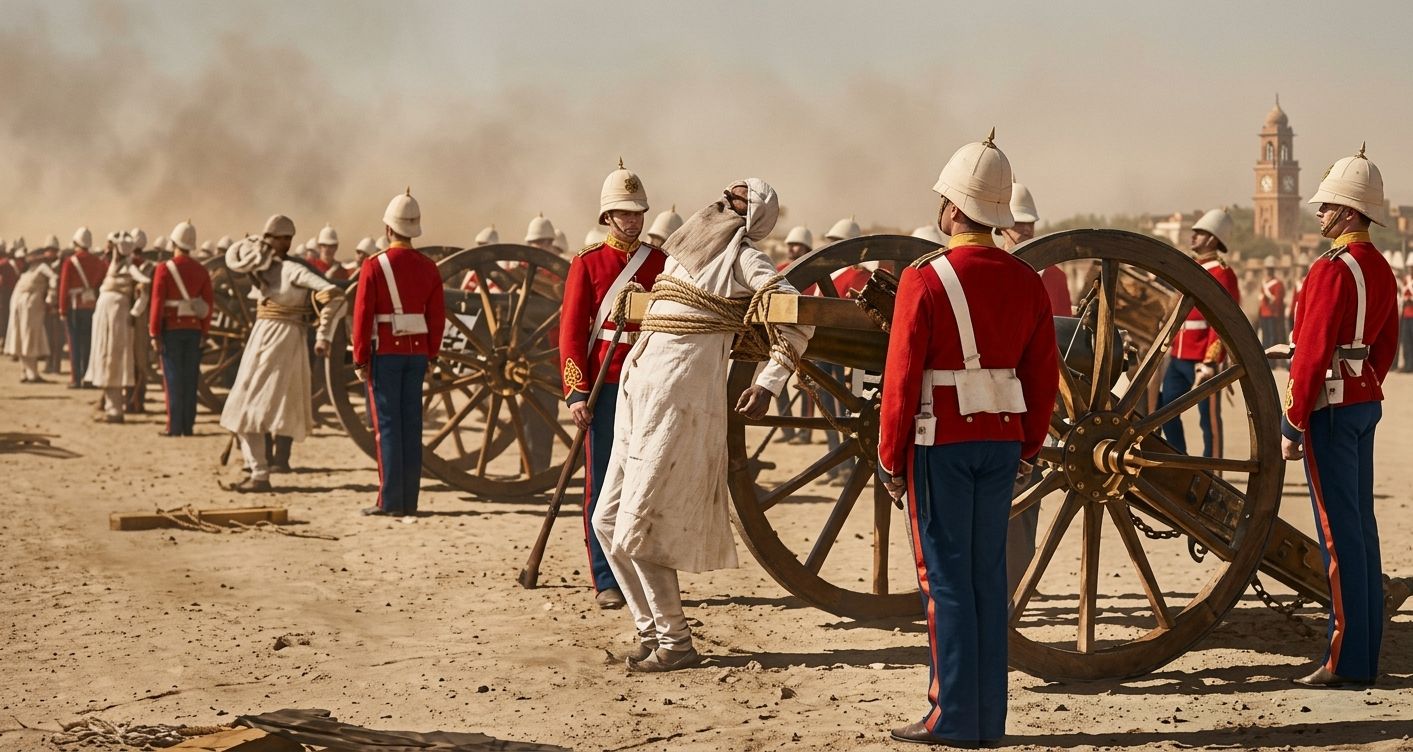
Mainstream historical accounts of the 1857 War of Independence focus primarily on mutinous Sepoy regiments in Meerut, Delhi, and Lucknow, framing the uprising as a localized military revolt that collapsed when military garrisons were defeated. This narrow colonial narrative ignores the widespread anti-colonial peasant resistance that erupted across the rural districts of Punjab and Sindh. At the center of this rural resistance were local Sufi networks, particularly spiritual leaders associated with the Surafiyya and Chishti traditions, who transformed their spiritual centers (khanqahs) into organizing hubs for peasant resistance against British tax collection, forced land foreclosures, and colonial annexation.
The Destruction of Rural Autonomy After British Annexation
To understand why rural religious networks took up arms in 1857, one must examine the disruptive impact of British colonial rule following the annexation of Punjab in 1849. The East India Company introduced aggressive cash-taxation systems, privatized communal canal lands, and backed wealthy urban moneylenders over hereditary peasant cultivators. Rural communities that had managed their agricultural affairs through local village councils were suddenly subjected to heavy land foreclosures, soaring peasant debt, and unfamiliar court systems operating in English. For rural farmers, colonial rule represented an existential threat to their economic survival and traditional way of life.
Rai Ahmad Khan Kharal and the Neeli Bar Uprising
The most formidable anti-colonial rebellion in Punjab erupted in the Neeli Bar region (stretching between modern Sahiwal, Okara, and Jhang) under the leadership of Rai Ahmad Khan Kharal. Though an elderly village chieftain, Kharal worked closely with local Sufi leaders to unite rival pastoral tribes—including the Kharals, Kathias, Wattoos, and Fatianas—against British colonial authority. In May 1857, when British district officers demanded forced military levies and tax payments, Kharal openly defied colonial orders, famously declaring that land and freedom belonged to local communities, not a foreign trading company. Kharal's forces launched coordinated guerrilla attacks on British supply convoys and liberated regional tax posts.
Guerrilla Warfare along the Ravi River and Imperial Reprisal
Kharal’s peasant army used their deep knowledge of the dense riverine jungles along the Ravi River to conduct effective guerrilla warfare against heavily armed British military columns. Colonial forces struggled for months to suppress the uprising, suffering major tactical setbacks. It was only through the betrayal of local informants and the deployment of massive military reinforcements from Lahore that Rai Ahmad Khan Kharal was killed in battle while performing afternoon prayers in September 1857. Following his martyrdom, British forces burned dozens of villages, confiscated thousands of head of cattle, and exiled rebel leaders to penal colonies in the Andaman Islands to erase memory of the uprising.
Reclaiming the Hidden Anti-Colonial Legacy
The 1857 rural resistance in Punjab and Sindh disproves the colonial myth that northern regions were completely passive during the War of Independence. By uncovering these forgotten peasant rebellions, we restore the full, complex narrative of regional anti-colonial history.
True freedom movements are built not in elite political salons, but in rural heartlands where ordinary people risk everything to defend their land and independence.