The Hur Guerrilla War Against British Rule
Team Ilm Ora · 20 October 2026
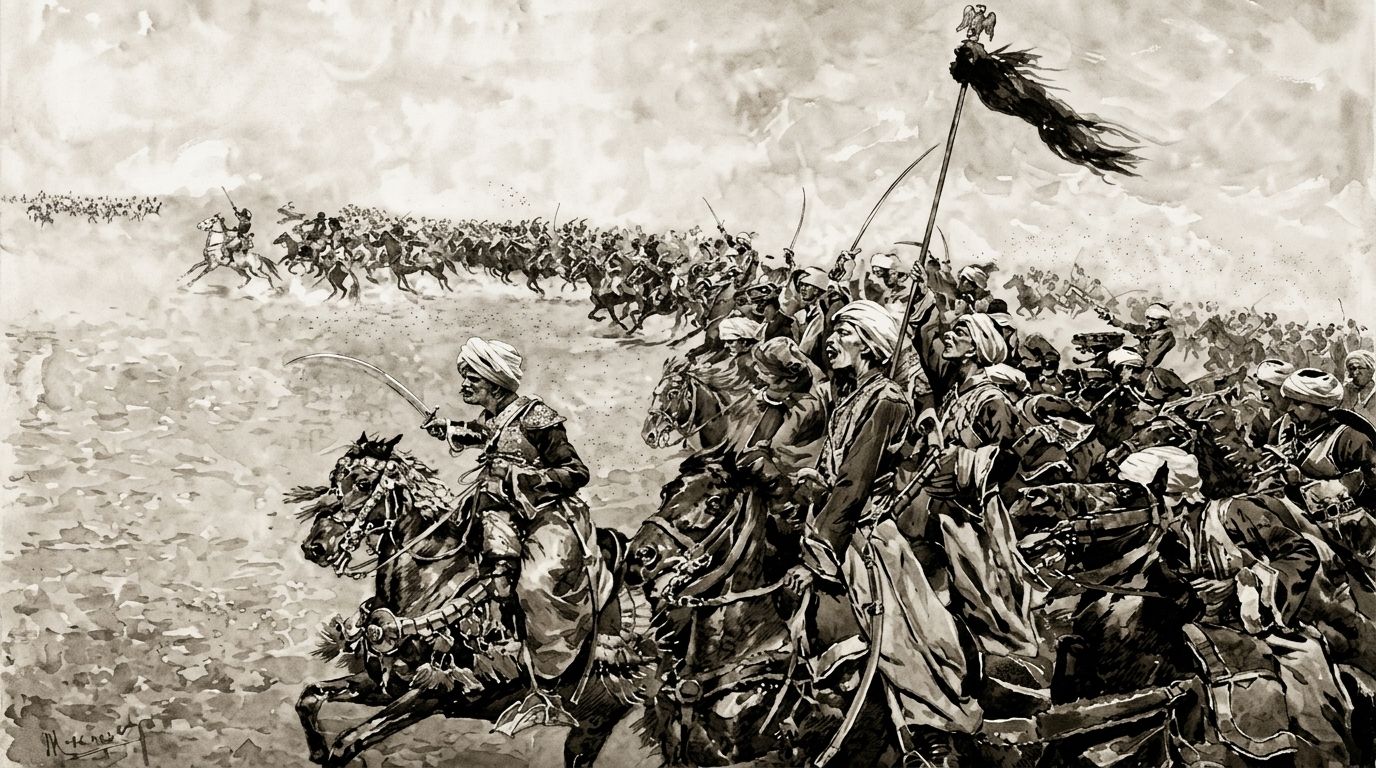
While mainstream nationalist movements in major cities engaged in parliamentary negotiations, public speeches, and non-violent civil disobedience, a completely different form of anti-colonial resistance unfolded across the thorny desert landscape of interior Sindh. Followers of the spiritual leader Pir Pagaro, known collectively as the Hurs (meaning the free ones), organized a fierce, uncompromising guerrilla insurgency against British colonial occupation. Refusing to recognize British courts, pay colonial taxes, or submit to imperial authority, the Hurs waged a relentless underground war that forced the British Empire to declare martial law, deploy military battalions, and implement collective punishments rarely seen elsewhere in South Asia.
The Spiritual Foundation of the Hur Movement
The Hur movement originated in the mid-nineteenth century under the spiritual guidance of the Pir Pagaro lineage in Sindh. The Pirs taught a strict interpretation of Islamic devotion combined with an absolute commitment to personal freedom, communal solidarity, and armed self-defense against oppression. When the British Empire annexed Sindh in 1843, colonial administrators immediately recognized the spiritual influence of the Pir Pagaros as a severe political threat to imperial stability. British authorities attempted to co-opt, discredit, or imprison successive spiritual leaders, sparking deep resentment among rural communities and transforming the religious order into a militant underground resistance network.
Guerrilla Tactics in the Rohri Desert
By the early twentieth century, under the leadership of Pir Sibghatullah Shah Rashidi (the sixth Pir Pagaro), the Hurs escalated their resistance from passive non-cooperation to active guerrilla warfare. Operating from heavily fortified jungle camps and remote desert hideouts known as paghs, Hur freedom fighters launched sudden nighttime raids on British railway lines, military supply depots, colonial police stations, and collaborators. Armed with traditional swords and captured firearms, they used their intimate knowledge of the harsh desert terrain to outmaneuver British cavalry units, frustrating colonial administrators who struggled to maintain law and order in the region.
Draconian Counter-Insurgency and Collective Punishment
Frustrated by their inability to defeat the Hur insurgency through standard policing, the British colonial government unleashed brutal counter-insurgency measures. In 1942, the empire declared martial law across the entirety of Sindh. Authorities passed the draconian Hur Act, which granted military commanders the power to shoot suspects on sight without trial, confiscate entire village properties, and intern entire communities in fenced concentration camps known as operational settlements. Thousands of Hur men, women, and children were forcibly relocated into these guarded camps to cut off food and intelligence supplies to the guerrilla fighters.
Hanging of Pir Pagaro and the Path to Independence
To crush the spiritual spine of the resistance, British authorities arrested Pir Sibghatullah Shah Rashidi, subjected him to a secret military tribunal, and hanged him in March 1943 at Hyderabad Jail. Despite the execution of their leader, underground Hur resistance cells continued their sabotage operations until the end of British rule in 1947. The sacrifice of the Hurs remains a testament to rural working-class resistance against imperial domination.
Freedom was won not only through grand conference tables, but through the blood and resilience of rural freedom fighters who refused to bend the knee to empire.