The 1946 Karachi Naval Mutiny
Team Ilm Ora · 19 October 2026
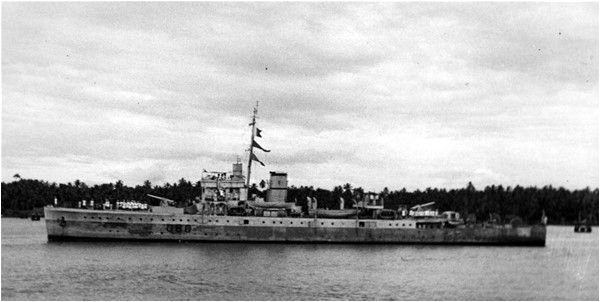
As political negotiations for the partition and independence of British India entered their final stages in early 1946, mainstream political leaderships continually preached patience, legalism, and non-violent compromise to the public. However, deep within the armed forces of the British Raj, a massive, explosive boiling point was reached. On February 18, 1946, a strike by naval ratings aboard a training ship in Bombay rapidly escalated into an armed, multi-city naval uprising. In Karachi harbor, the epicenter of this rebellion was centered around the warship HMIS Hindustan, where native sailors turned their shipboard artillery against British officers, sparking a fierce naval battle that shook the British Empire to its core and accelerated the decision to grant independence.
Grievances of the Royal Indian Navy Ratings
The immediate spark for the 1946 naval mutiny was standard institutional racism, appalling living conditions, and stark disparities between British military personnel and native South Asian ratings. Native sailors were subjected to abysmal food quality, overcrowded and unsanitary barracks, rampant physical abuse by British commanding officers, and wages that fell far below the cost of living. Furthermore, as hundreds of thousands of demobilized soldiers returned home after fighting in the Second World War, they faced severe unemployment and economic destitution. When sailors on HMIS Talwar in Bombay protested these conditions, British commanders responded with threats, arrests, and racial slurs, igniting a spontaneous military revolt.
The Uprising on HMIS Hindustan in Karachi Harbor
The mutiny reached its most dramatic and violent phase in Karachi on February 21, 1946. Hundreds of naval ratings stationed at the Manora naval base and aboard the coastal sloop HMIS Hindustan seized control of their vessels, hoisted Congress, Muslim League, and Communist flags side by side on ship masts, and declared an open strike against British military command. British authorities responded by deploying heavily armed regiments of the Black Watch infantry and tanks to the harbor piers, ordering the sailors to surrender unconditionally. Instead of capitulating, the sailors manning HMIS Hindustan turned the ship's four-inch guns toward the British military encampments on shore and opened fire, engaging in a intense artillery duel across Karachi harbor.
General Strike and Inter-Communal Solidarity
The naval revolt in Karachi and Bombay immediately transcended military barracks, sparking massive general strikes across local civilian populations. Dockworkers, factory laborers, students, and ordinary citizens flooded the streets in open solidarity with the mutinous sailors. In a rare display of anti-colonial unity, Muslim League and Communist Party banners flew side by side during street protests, while ordinary citizens risked their lives to smuggle food, water, and medical supplies past British military cordons to the striking sailors trapped in the harbor. The unity terrified British intelligence officers, who realized they could no longer rely on native armed forces to maintain imperial control.
The Strategic Catalyst for Accelerated Independence
Although the British military eventually suppressed the uprising through overwhelming force, aerial bombardment threats, and political mediation led by national leaders who urged surrender, the naval mutiny achieved its strategic goal. British Prime Minister Clement Attlee and military commanders recognized that holding India required an army and navy they could no longer trust. The mutiny forced London to dispatch the Cabinet Mission to accelerate the transfer of power, proving that the empire's exit was forced by armed working-class resistance.
The final collapse of colonial rule was precipitated not merely by polite parliamentary debate, but by the courageous revolt of ordinary soldiers and sailors who refused to serve an empire.