Why Deep Ecology Values Nature Beyond Human Use
Team Ilm Ora · 25 October 2026
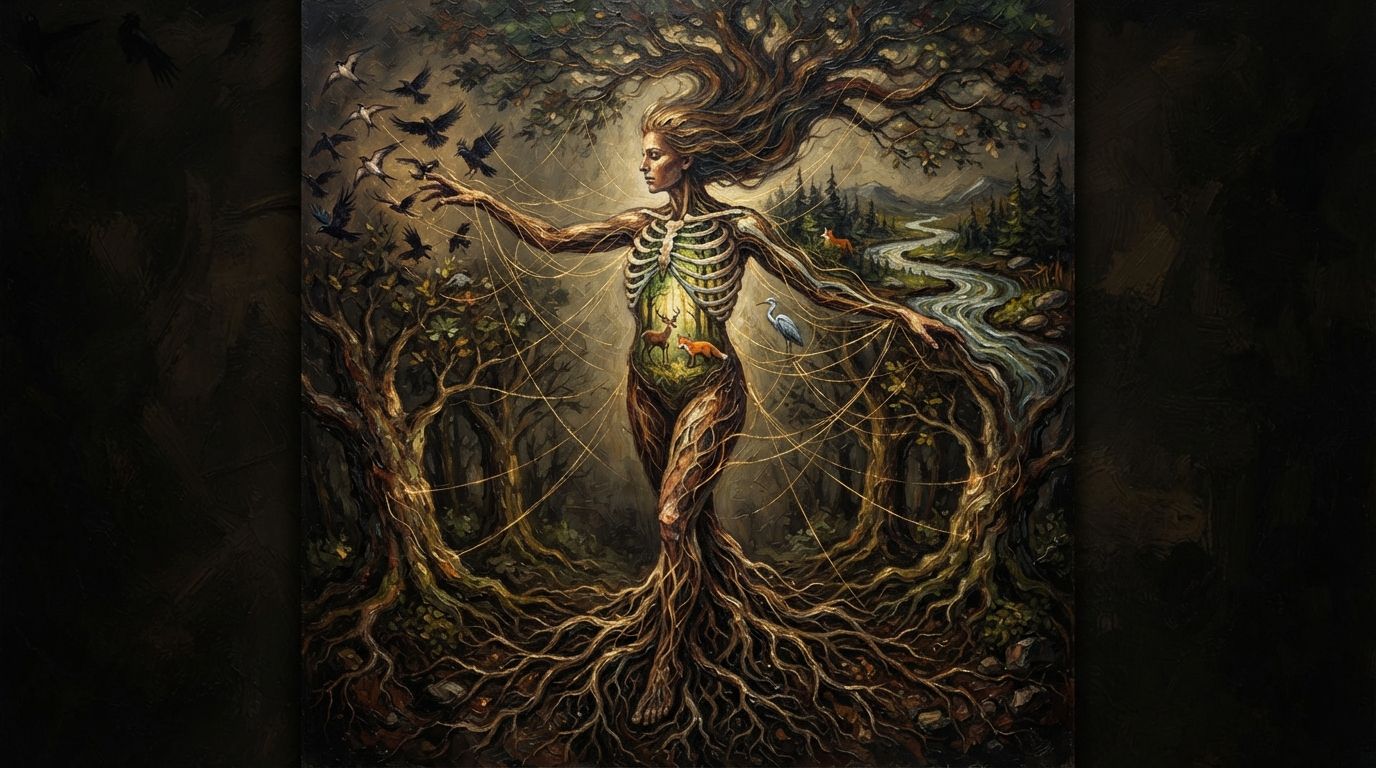
Modern industrial societies routinely evaluate the natural world through a lens of economic utility, calculating rivers, forests, and animal populations based on how much human wealth or resource extraction they can provide. Environmental philosophers argue that this purely instrumental view drives global ecological degradation. In response, thinkers like Arne Naess developed a philosophical framework known as deep ecology. Deep ecology challenges human-centered ethics, arguing that all living organisms and complex ecosystems possess intrinsic moral worth and an inherent right to flourish, regardless of whether they serve human economic interests.
Moving Beyond Human-Centered Utility
Traditional conservation efforts often operate on what philosophers call shallow ecology. Shallow ecology fights pollution and resource depletion primarily to protect human health, economic stability, and recreational enjoyment. While important, this approach treats nature as a warehouse of resources designed to serve human masters. Deep ecology asks a much more radical question: does nature have value even when humans are not around to use it? Deep ecologists argue that every living species has intrinsic value simply because it exists, granting nature moral standing independent of human economic calculation.
Interconnected Webs of Life
At the heart of deep ecology is the philosophical realization that human beings are not separate lords standing outside nature, but one small strand within an intricate, interdependent web of life. When we destroy a forest, pollute a river, or drive a species to extinction, we are not just damaging external property; we are damaging the wider ecological self of which we are a part. Recognizing this interconnectedness shifts human behavior from arrogant domination to humble stewardship.
Shifting Industrial Priorities and Lifestyles
Embracing deep ecology requires rethinking modern economic priorities. Instead of measuring national success purely by gross domestic product and endless material consumption, a deep ecological framework values cultural diversity, ecological preservation, and sustainable simplicity. It challenges the cultural myth that human happiness requires infinite material growth at the expense of our living planet.
Ethics for a Shared Planet
Environmental ethics reminds us that our responsibilities extend far beyond human social contracts. By recognizing the intrinsic right of all living things to share our planet, we lay the philosophical groundwork for a sustainable, harmonious future.
We will solve our environmental crises only when we stop viewing nature as property to be consumed and start recognizing it as a community to which we belong.