How Voice Tone and Appearance Shape Social Judgment
Team Ilm Ora · 19 October 2026
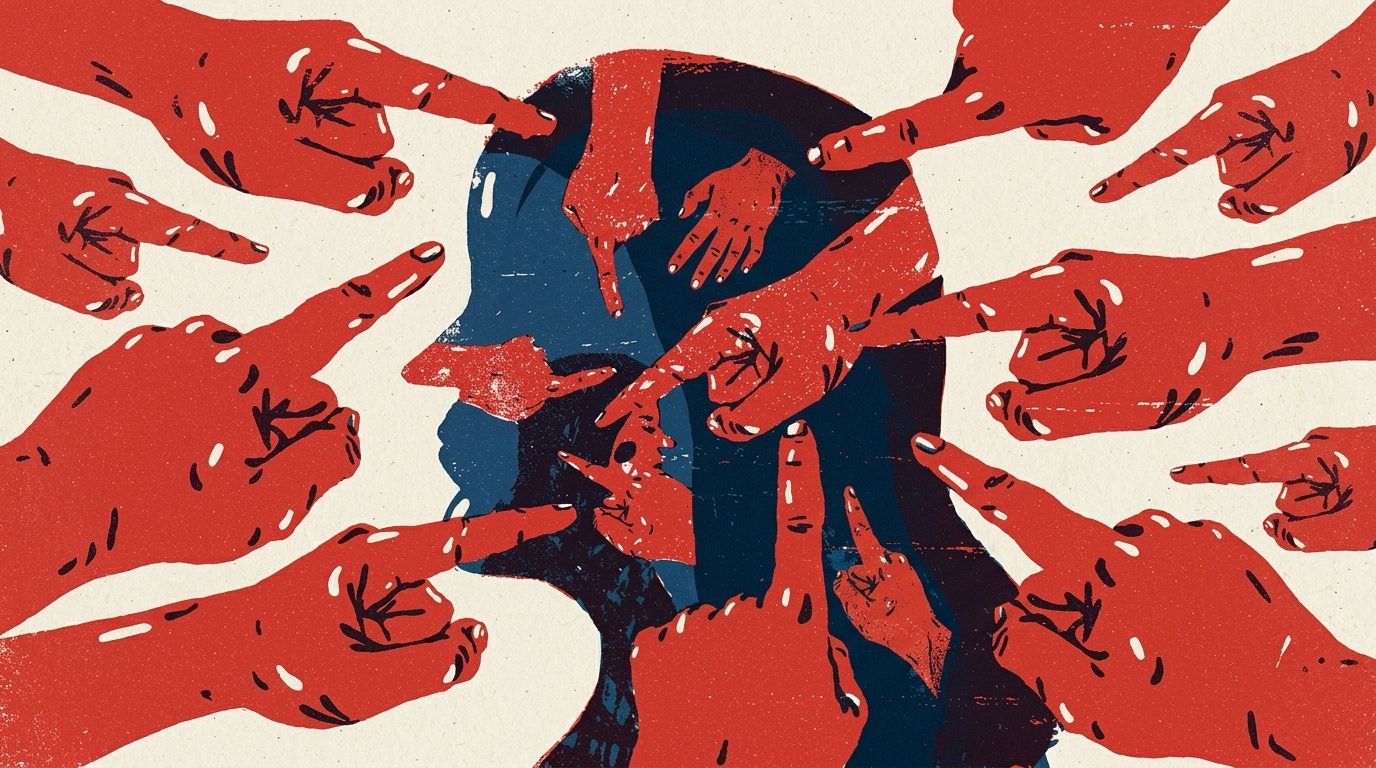
Imagine meeting a stranger for the very first time. Within milliseconds of hearing their voice or seeing their face, your brain forms immediate, powerful impressions regarding their trustworthiness, competence, dominance, and warmth. While rational logic tells us not to judge a book by its cover, psychological science reveals that human beings are hardwired to make rapid, unconscious snap judgments based entirely on physical appearance and vocal tonality. Understanding these evolutionary cognitive shortcuts sheds light on why first impressions exert such a powerful influence over social interactions, hiring decisions, and political elections.
Evolutionary Roots of Rapid Visual Evaluation
To understand why our brains make snap judgments, evolutionary psychologists look back to ancestral survival environments. For early humans encountering unfamiliar individuals in the wild, split-second decisions meant the difference between survival and mortal danger. The human brain evolved specialized neural machinery in the amygdala to scan faces instantly for emotional expressions of anger, fear, or trustworthiness. While this rapid visual evaluation was essential for avoiding hostile predators or rival tribes, it operates automatically in modern social settings, often resulting in unconscious biases based on facial bone structure or symmetry.
The Psychological Power of Vocal Pitch
Beyond visual appearance, the human voice carries profound psychological weight in social communication. Research demonstrates that listeners form robust impressions of a speaker's dominance and competence based purely on vocal pitch and acoustic resonance. For example, both male and female speakers with lower vocal pitch are consistently perceived as more authoritative, powerful, and trustworthy in leadership roles. When politicians or corporate executives speak with calm, measured tones and lower registers, audiences unconsciously associate those vocal qualities with competence and stability, regardless of the logical substance of their arguments.
Mitigating Unconscious Bias in Professional Environments
Recognizing the immense psychological power of appearance and voice tone is the first step toward building fairer professional institutions. In fields like hiring, judicial sentencing, and academic evaluation, unconscious snap judgments can lead to systemic discrimination against individuals who do not fit traditional visual or vocal archetypes. Implementing blind recruitment processes, structured interview rubrics, and objective performance metrics helps organizations bypass superficial biases and focus on true merit and character.
Navigating First Impressions with Conscious Awareness
While we cannot entirely switch off our brain's evolutionary tendency to make rapid evaluations, awareness of these psychological shortcuts empowers us to pause, question our initial impressions, and judge others based on their character and competence rather than superficial packaging.
Human intuition is shaped by ancient survival instincts; true wisdom begins when we override superficial snap judgments and evaluate people by the content of their character.