How Music and Imagery Alter Brain Activity and Health
Team Ilm Ora · 19 October 2026
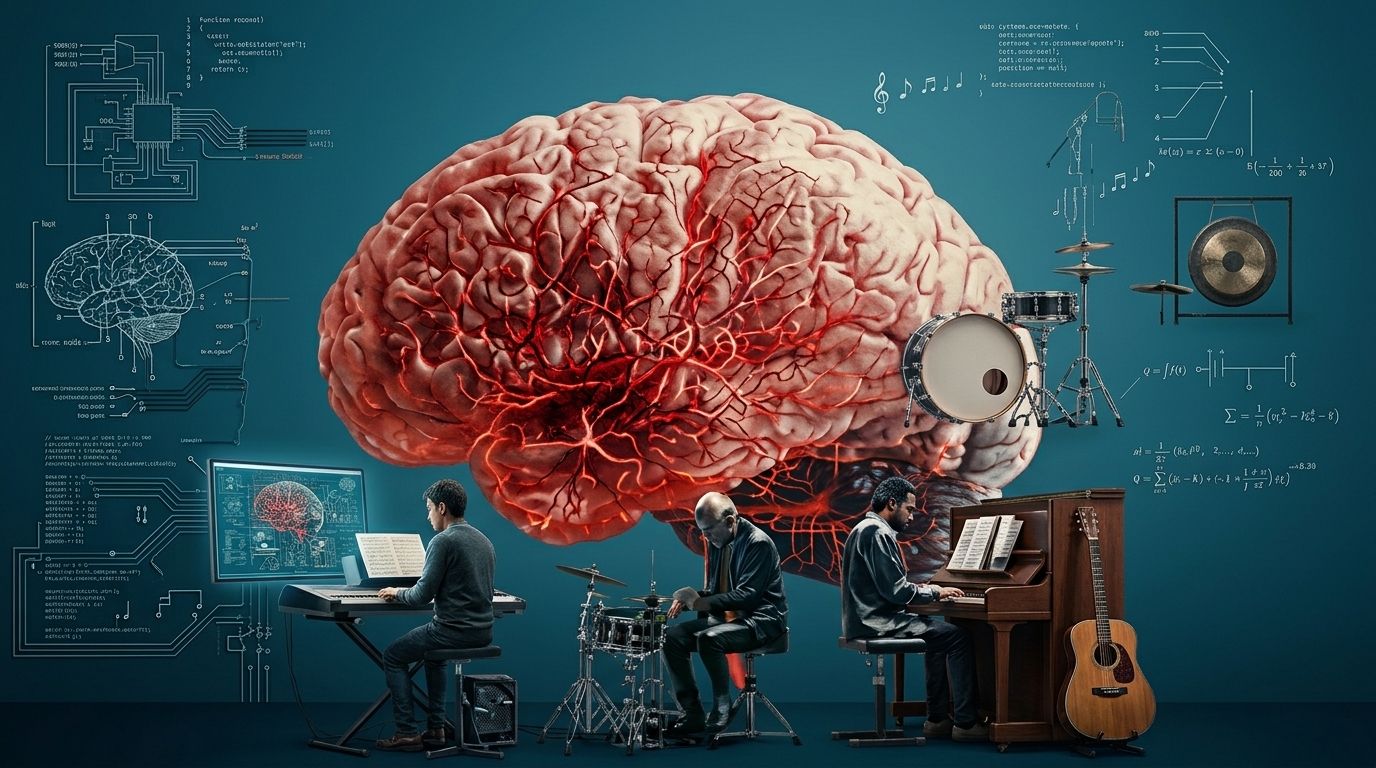
Few experiences possess the immediate, visceral power to transform our physical state quite like music. Listening to a soaring orchestral symphony can cause chills to run down your spine, while a driving drum beat can accelerate your heart rate and compel you to move. Modern psychophysiological research demonstrates that auditory rhythms, musical tones, and mental imagery are not merely abstract emotional triggers; they act as direct physiological inputs that modulate neural firing patterns, autonomic nervous system activity, and biological organ function across the human body.
Neural Entrainment and Brainwave Modulation
When human beings listen to music, our central nervous system undergoes a precise process known as neural entrainment. The electrical activity of billions of neurons in the brain begins to synchronize spontaneously with the rhythmic beat and frequency of incoming sound waves. Fast, staccato rhythms stimulate high-frequency beta brainwaves associated with alertness and physical arousal, while slow, flowing melodies encourage alpha and theta brainwaves linked to deep relaxation, meditation, and stress reduction. This direct neurological coupling explains why music can instantly alter mental focus and emotional regulation.
Modulating Autonomic Physiology and Organ Health
The influence of sound and mental imagery extends far beyond the brain, directly impacting internal biological organs through the autonomic nervous system. Calming music and peaceful visual imagery activate the parasympathetic nervous system, which is the body's rest-and-digest network. This physiological shift causes heart rate variability to stabilize, blood pressure to drop, cortisol stress hormone levels to decline, and digestive and immune function to improve. Conversely, chaotic noise and distressing imagery trigger sympathetic fight-or-flight responses, flooding the bloodstream with adrenaline and putting chronic strain on cardiovascular health.
Clinical Applications in Modern Music Therapy
These profound psychophysiological connections have transformed clinical healthcare through music therapy and guided imagery interventions. In modern hospitals, music therapy is utilized to reduce anxiety in surgical patients, manage chronic pain, assist stroke recovery, and improve emotional communication in patients with neurological disorders. By harnessing the biological power of sound and imagination, clinicians provide non-pharmacological pathways to healing that complement traditional medical treatments.
Harmonizing Biological Health Through Sensory Design
Music and imagery remind us of the intimate bridge connecting sensory art to physical health. By consciously curating the auditory and visual environments we inhabit, we actively nurture our mental well-being and biological vitality.
Sound and imagery are powerful biological medicines; when we harmonize our sensory environment, we heal both mind and body from within.