How Nudge Theory Shapes Public Choices
Team Ilm Ora · 24 October 2026
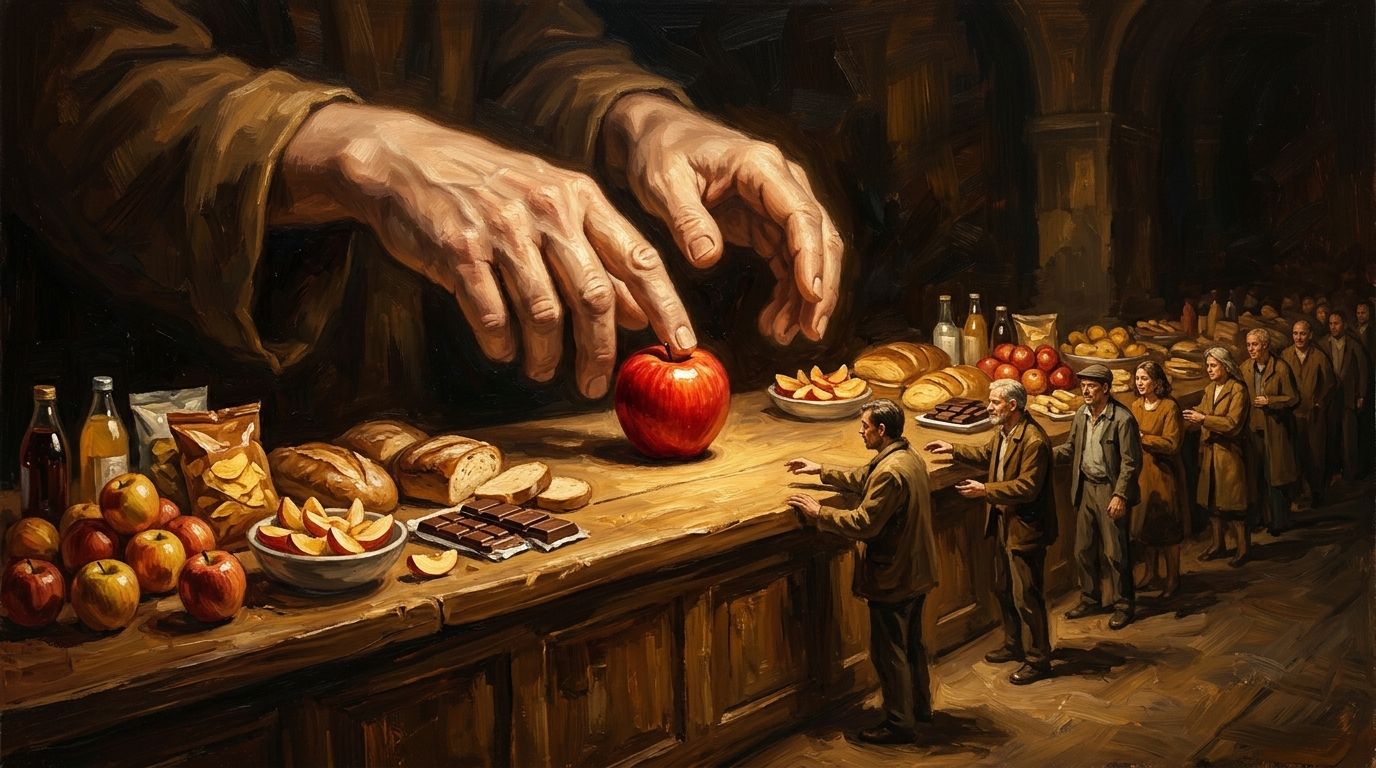
For decades, governments attempted to change public behavior—such as encouraging retirement savings, healthy eating, or energy conservation—either by passing strict regulatory mandates or launching expensive public information campaigns. Behavioral economists Richard Thaler and Cass Sunstein demonstrated that there is a much more effective, gentle approach known as nudge theory. By altering choice architecture, which is the way options are physically or digitally presented to people, policymakers can gently steer human behavior toward positive outcomes while preserving complete personal freedom of choice.
Redefining Rationality Through Choice Architecture
Traditional economic theory assumed that human beings always act as rational calculators, weighing costs and benefits objectively before making every decision. Behavioral science proved this assumption false: human beings are easily distracted, prone to mental shortcuts, and heavily influenced by how choices are presented. Choice architecture acknowledges this human reality. By rearranging the physical or digital environment—such as placing healthy fruit at eye level in a cafeteria while hiding junk food on bottom shelves—policymakers alter behavior without banning any options or forcing compliance.
Default Options and Automatic Enrollment
One of the most powerful tools in nudge theory is the manipulation of default options. Human beings suffer from status quo bias, meaning we tend to stick with whatever pre-set option is chosen for us if we have to take extra effort to change it. A classic example is workplace retirement savings. When companies required new employees to actively opt in to join a pension plan, participation rates were low. When companies changed the default rule so that new employees were automatically enrolled unless they actively chose to opt out, savings rates skyrocketed overnight, securing financial futures without restricting anyone's freedom.
Ethical Boundaries: Nudges Versus Manipulation
While nudge theory offers powerful tools for public health and financial literacy, it raises important ethical questions about who designs the choice architecture. If a corporation designs a website to make subscription cancellation buttons nearly impossible to find while making sign-up effortless, they are using manipulative dark patterns rather than an honest nudge. Ethical public nudges must be transparent, easy to resist, and designed strictly to benefit the individual's long-term well-being rather than trick them into exploitation.
Designing a Kinder Economic Environment
Nudge theory bridges the gap between psychology and public policy. By recognizing that human decision-making is shaped by environmental design, we can build a society that gently guides people toward healthier, wealthier, and happier lives.
We do not need heavy-handed mandates to guide human behavior; sometimes all it takes is designing our daily choices to make the right path the easiest one.